CFD Risk Management & Trade Strategy Blueprint

Structured Planning for Disciplined CFD Trading

While flexibility is a positive aspect of CFD trading, a lack of structure can cause that flexibility to quickly turn into exposure. At Stonefort Securities, we believe that trading starts with preparation. The CFD Risk Management & Trade Strategy Blueprint is designed to assist traders in creating a structured framework before engaging with the market. The blueprint is centered on structure, planning, and guided decision-making rather than emotions and impulse.


While flexibility is a positive aspect of CFD trading, a lack of structure can cause that flexibility to quickly turn into exposure. At Stonefort Securities, we believe that trading starts with preparation. The CFD Risk Management & Trade Strategy Blueprint is designed to assist traders in creating a structured framework before engaging with the market. The blueprint is centered on structure, planning, and guided decision-making rather than emotions and impulse.

CFD Risk Management & Trade Strategy Blueprint

Structured Planning for Disciplined CFD Trading

While flexibility is a positive aspect of CFD trading, a lack of structure can cause that flexibility to quickly turn into exposure. At Stonefort Securities, we believe that trading starts with preparation. The CFD Risk Management & Trade Strategy Blueprint is designed to assist traders in creating a structured framework before engaging with the market. The blueprint is centered on structure, planning, and guided decision-making rather than emotions and impulse.

While flexibility is a positive aspect of CFD trading, a lack of structure can cause that flexibility to quickly turn into exposure. At Stonefort Securities, we believe that trading starts with preparation. The CFD Risk Management & Trade Strategy Blueprint is designed to assist traders in creating a structured framework before engaging with the market. The blueprint is centered on structure, planning, and guided decision-making rather than emotions and impulse.

CFD Risk Management & Trade Strategy Blueprint

competition phone

Why Risk Management Comes First in CFD Trading

With Contracts for Difference, one can surf on the wave of price changes without ever owning the underlying asset. The freedom to do so holds opportunities; however, it also holds in it risks like market volatility unless one has a strategy. Tiny price changes can sway your account in no time.

It’s not an afterthought, because, well, it’s the base.
At Stonefort Securities, we focus on:

  • Position sizing associated with capital
  • Pre-set Entry Plans and Exit Plans
  • Structured Stop Management
  • Clear Margin requirements
  • Awareness of Current Market Volatility 

Defining risk before making the trade is an advantage for making decisions.

The Stonefort Securities Approach to Structured Trading

Our approach is based on three main pillars:

Capital Preservation Framework

Every trade starts from this question: How much capital could be at risk? The idea seems to be that there will be clear boundaries of risk for each trade and for the entire portfolio.
Elements:

  • Allocating risks as a percentage of capital
  • Margin awareness before any order is placed
  • Clearly defined maximum drawdown limits

Strategy Structure Before Execution

A strategy should be drawn up before you step into the market. Such a strategy involves:
Elements:

  • The market conditions you’re targeting
  • Your entry rules
  • Your exit rules
  • Risk Reward Parameters
  • How volatility will be accounted for

Every trade starts from this question: How much capital could be at risk? The idea seems to be that there will be clear boundaries of risk for each trade and for the entire portfolio.

Ongoing Performance Review

The assessment of trading results should be objective and constant. This involves:

  • Reviewing trades which were executed
  • Evaluating adherence to strategy
  • Monitoring risk exposure over time
  • Spotting behavioral patterns
  • How volatility will be accounted for

Remember, tracking performances is not about predicting them; it is about refining discipline.

Building a CFD Trade Strategy Blueprint

A trading blueprint acts as a written guide. It does not predict markets. It prepares the trader.

Rather than trading every available instrument, structured traders often focus on specific asset classes such as:

  • Forex pairs
  • Indices
  • Commodities
  • Equities

Concentrated focus allows deeper understanding of price behaviour and volatility patterns.

One of the most important elements of CFD risk management is position sizing.

Before entering any trade, traders should determine:

  • Maximum percentage of capital exposed
  • Stop level distance
  • Margin requirements

This ensures the trade fits within the broader capital structure. Stonefort Securities provides transparent trading conditions so traders can calculate exposure accurately before execution.

Entry and exit criteria should be documented before a trade is placed.

Examples of structured conditions may include:

  • Technical confirmation levels
  • Volatility thresholds
  • Time-based exits
  • Defined stop placement

This reduces emotional interference during live market conditions.

CFDs are leveraged instruments. Leverage can amplify gains and losses.

Responsible use of leverage includes:

  • Awareness of regulatory limits
  • Understanding margin calls
  • Avoiding excessive exposure relative to capital

Stonefort Securities provides clear margin information within the trading platform to support informed decision-making.

Building a CFD Trade Strategy Blueprint

A trading blueprint acts as a written guide. It does not predict markets. It prepares the trader.

Define Market Focus

Rather than trading every available instrument, structured traders often focus on specific asset classes such as:

  • Forex pairs
  • Indices
  • Commodities
  • Equities

Concentrated focus allows deeper understanding of price behaviour and volatility patterns.

Establish Risk Per Trade

One of the most important elements of CFD risk management is position sizing.

Before entering any trade, traders should determine:

  • Maximum percentage of capital exposed
  • Stop level distance
  • Margin requirements

This ensures the trade fits within the broader capital structure. Stonefort Securities provides transparent trading conditions so traders can calculate exposure accurately before execution.

Plan Entry and Exit Conditions

Entry and exit criteria should be documented before a trade is placed.

Examples of structured conditions may include:

  • Technical confirmation levels
  • Volatility thresholds
  • Time-based exits
  • Defined stop placement

This reduces emotional interference during live market conditions.

Understand Leverage and Margin

CFDs are leveraged instruments. Leverage can amplify gains and losses.

Responsible use of leverage includes:

  • Awareness of regulatory limits
  • Understanding margin calls
  • Avoiding excessive exposure relative to capital

Stonefort Securities provides clear margin information within the trading platform to support informed decision-making.

Psychological Discipline in CFD Trading

Even the strongest strategy can fail if discipline is absent.

Structured risk management supports emotional control by:

  • Limiting exposure per trade
  • Removing impulsive overtrading
  • Defining loss limits in advance
  • Encouraging patience during volatility

A documented blueprint reduces stress because the decision rules are already defined.

Technology and Execution Support at Stonefort Securities

While strategy defines the plan, execution quality supports implementation.

Stonefort Securities provides:

  • Stable trading infrastructure
  • Access to market analysis tools
  • Economic calendar integration
  • Performance tracking tools
  • Educational resources through our academy

These features support traders in applying structured approaches without unnecessary friction. We focus on clarity and transparency rather than exaggerated claims.

trading chart

Who This Blueprint Is Designed For

The CFD Risk Management & Trade Strategy Blueprint is relevant for:

  • Traders seeking structured methodology
  • Individuals transitioning from discretionary trading to rule-based systems
  • Market participants looking to improve capital discipline
  • Traders aiming to formalize their process

This blueprint does not provide investment advice. It provides a framework for structured decision-making.

The Importance of Written Trading Rules

Many traders operate without written guidelines. This often leads to inconsistent outcomes.

A written blueprint should include:

  • Market selection criteria
  • Risk limits per trade
  • Maximum simultaneous exposure
  • Acceptable volatility conditions
  • Review schedule

Documentation creates accountability. At Stonefort Securities, we encourage traders to treat trading as a structured activity rather than a reaction to price movement.

Managing Volatility and Market Events

Market conditions shift based on economic data releases, geopolitical developments, and liquidity cycles.

Responsible risk management includes:

  • Awareness of scheduled economic events
  • Monitoring volatility spikes
  • Adjusting exposure during high-impact news
  • Avoiding overexposure during uncertain conditions

Our integrated economic calendar and news tools help traders remain informed.

Portfolio-Level Risk Awareness

Individual trade risk is important. Portfolio risk is equally critical.

Considerations include:

  • Correlated positions across similar assets
  • Total margin utilization
  • Aggregate exposure during high volatility
  • Sector concentration

Structured traders evaluate total account exposure rather than viewing trades in isolation.

Continuous Learning and Development

Markets evolve. Strategies must be reviewed and refined.

Stonefort Securities supports continuous learning through:

  • Educational modules
  • Trading guides
  • Risk management resources
  • Market analysis insights

Education strengthens long-term discipline.

Why Structured Risk Management Matters

CFD markets move quickly. Without preparation, decisions become reactive.

A structured blueprint helps traders:

  • Define acceptable risk
  • Avoid overexposure
  • Maintain capital discipline
  • Improve consistency of execution
  • Build repeatable processes

Risk cannot be removed from trading. It can only be managed.

Technology Support for Structured Trading

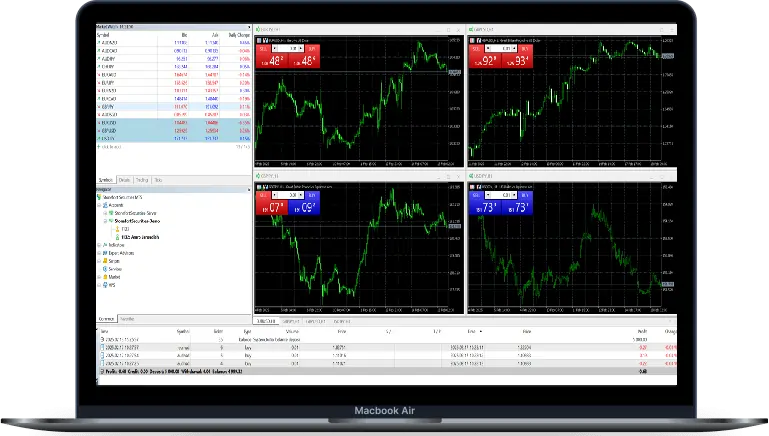
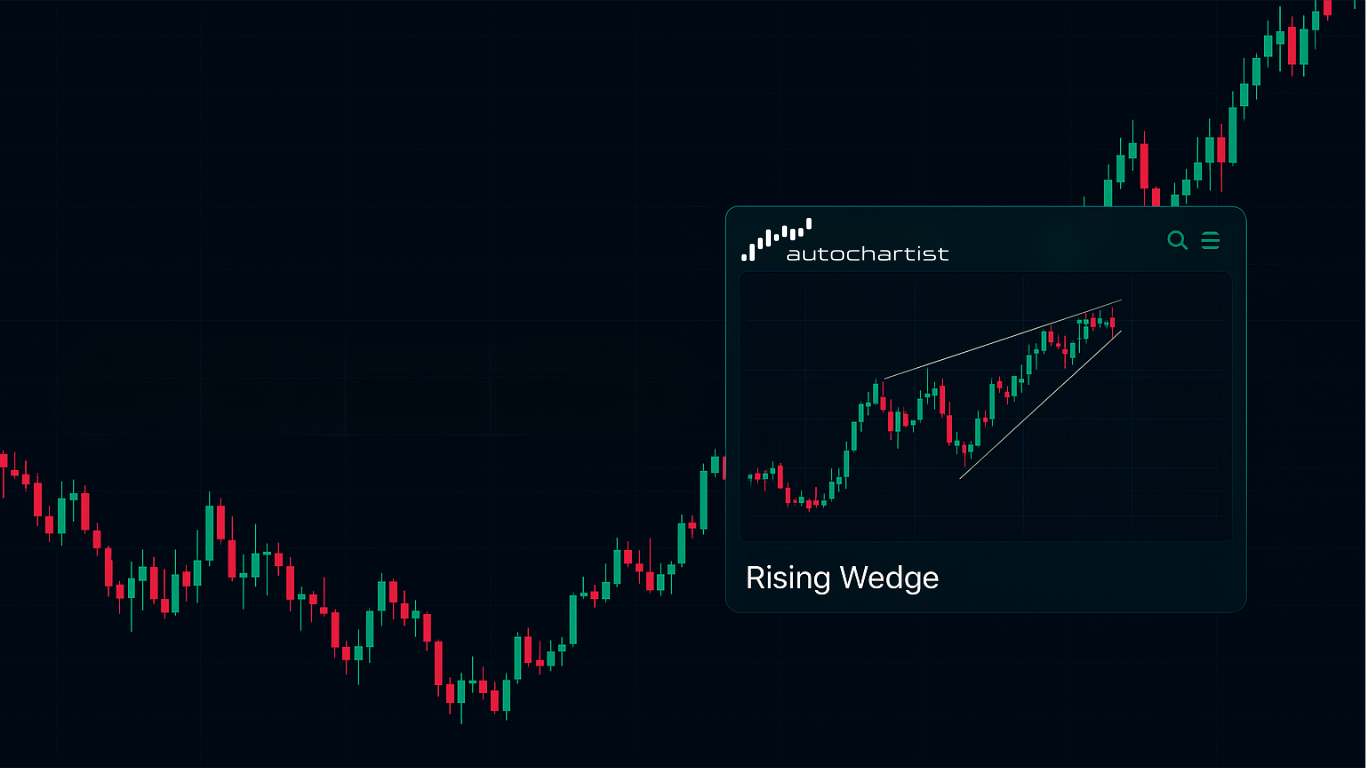
At Stonefort Securities, disciplined trading is supported by professional platforms and analytical tools that help traders make informed decisions. Our MetaTrader 5 platform, along with integrated tools such as Autochartist, the Economic Calendar, News Sentiment, and Performance Statistics, allows traders to plan and monitor trades efficiently. These resources complement the CFD Risk Management & Trade Strategy Blueprint, helping traders apply structured approaches while keeping decision-making under their control. For detailed information on each platform and tool, visit our dedicated pages.

Take the Next Step with Stonefort Securities

If you are looking to build a more disciplined approach to CFD trading, the CFD Risk Management & Trade Strategy Blueprint can serve as your foundation. Open an account to access our trading tools, structured resources, and platform features designed to support responsible trading practices.

Frequently asked questions

What is CFD risk management?

CFD risk management refers to structured methods used to control exposure when trading leveraged products. It includes position sizing, stop placement, margin awareness, and portfolio-level monitoring.

Does this blueprint guarantee trading success?

No. Trading involves risk, and outcomes depend on market conditions and individual decisions. The blueprint provides a structured framework for managing exposure and planning trades.

Is this investment advice?

No. The information provided is educational and general in nature. It does not constitute financial advice or recommendations for specific trades.

Can beginners use this framework?

Yes. A structured approach can benefit both new and experienced traders by encouraging disciplined planning and capital management.

How does Stonefort Securities support risk management?

Stonefort Securities provides transparent trading conditions, margin visibility, economic calendar tools, educational materials, and platform features designed to support structured trading decisions.

Trade with Structure. Plan with Discipline.

Markets will always move. Preparation determines how you respond.

Build your CFD Risk Management & Trade Strategy Blueprint with Stonefort Securities and approach trading with a defined structure.